Description
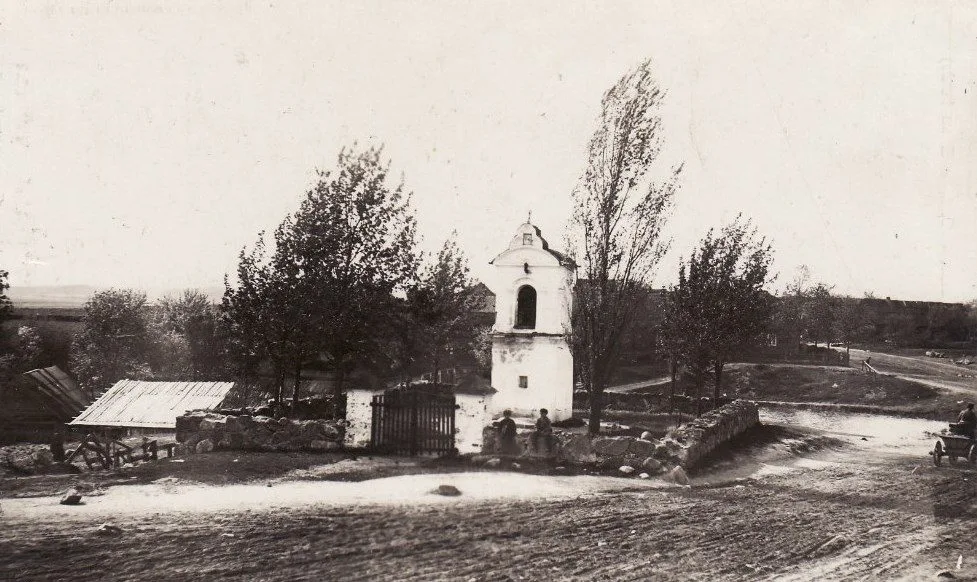
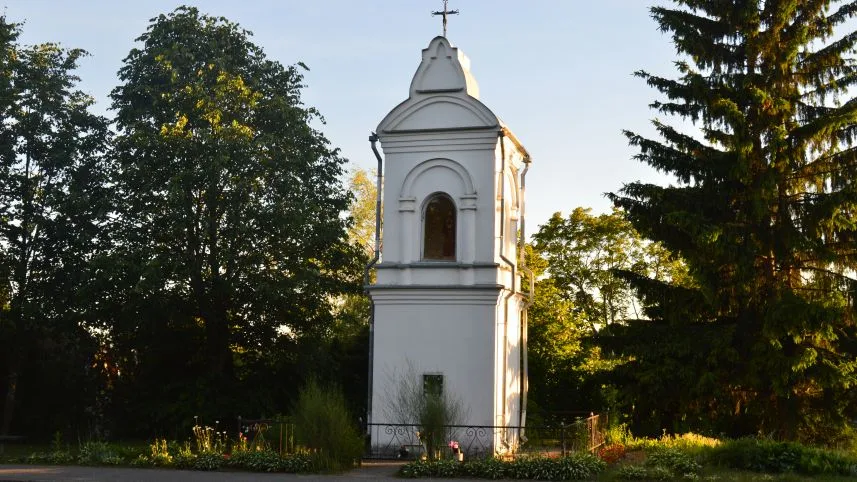
The Šaltupė Chapel has long stood in the northern part of the town of Zarasai, near the Šaltupė Stream, whose water, according to local legend, had healing properties. Perhaps the earliest mention of the chapel in historical sources dates back to 1640, when the boundaries between the Altarija farmstead, which belonged to the church, and the Palazdynė manor were being established. The road passing through this area led to Antalieptė, Dusetas, Obeliai, or Riga, so nearby, on the other side of the road in a spring-fed meadow, the Šaltupkos inn was established. In 1824, Antanas Zarenbergas rebuilt the chapel. It was made of brick, plastered, and painted white. At the top, beneath the roof, there was a small arched opening containing a small statue of Christ. People considered this statue miraculous. Various stories circulate about the chapel’s origins. It is said that on a stormy day, lightning struck the church, and it was knocked into the lake. The small statue of Christ, which had stood next to the church and was believed to possess miraculous powers, floated to the surface of the water. At that spot, near the Šaltupė Stream, parishioners built a brick chapel and transferred the statue there. On July 1, 1965, the Zarasai City Council of Workers’ Deputies passed a resolution to demolish the chapel, arguing that it would interfere with the implementation of a future street reconstruction project. Finally, in December of that same year, on the night of the 28th to the 29th, the chapel was blown up. After Lithuania regained its independence, the chapel was rebuilt in 1992 through the efforts of Father V. Kapočius.