Description
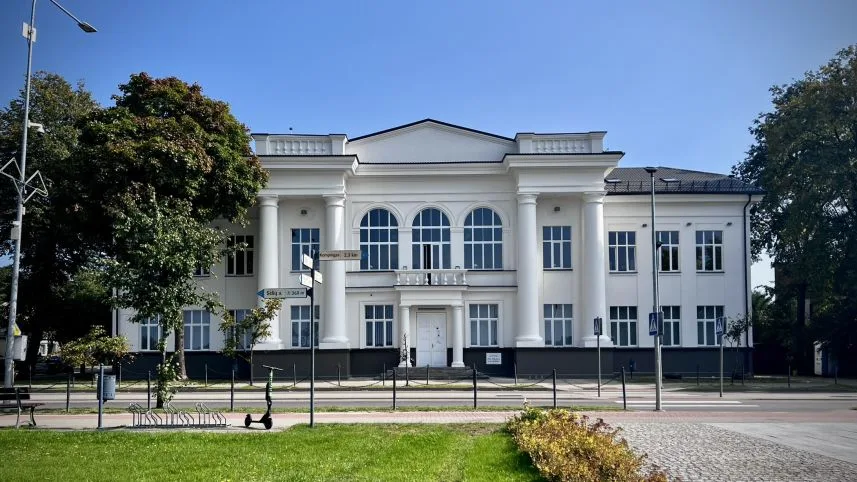
At the Zarasai Regional Museum, you’ll learn about the region’s history, see religious sculptures, and view a collection of paintings donated by local artist M. Šileikis. The museum regularly hosts various temporary exhibitions and cultural events. The museum and public library are housed in a building that served as a junior high school in the 1930s. In 1934, thanks to the efforts of teacher S. Jauniškis, a museum was established on the premises of the Zarasai Lower Secondary School, which was taken over by the Zarasai County Administration at the end of December 1935. In 1940, the museum’s collection contained more than 2,000 exhibits, but during the first years of the Soviet occupation, the majority of the exhibits were destroyed, leaving only a single cabinet with a few exhibits from the former museum collection. In 1963, the museum was closed and all exhibits were transferred to the Rokiškis Regional Museum; in 1967, a branch of the Rokiškis Regional Museum was opened in Zarasai. In 1969, it was established in its current location (a historic building constructed in 1931).On August 22, 1969, the museum was named the Marytė Melnikaitė Memorial Museum, in honor of the Heroine of the Soviet Union. At the end of 1987, the Zarasai Museum became independent, and during the Revival era, it was renamed the Zarasai Regional Museum. In 2024, The Zarasai Regional Museum acquired a collection of vintage radios, which is presented in an engaging and charismatic manner by collector Dalius Bučenka, who had previously exhibited it at the Tiltiškiai Mill—a radio museum. Part of the collection consists of vintage radio sets, ranging from the oldest detector radios, one of the earliest sound recording media—gramophone records—to KARADI radios manufactured in Kaunas, Latvian VEF radios, and other masterpieces from world-renowned radio manufacturers. By booking an educational program in advance, participants will not only have the opportunity to see various vintage radios, but also to learn the stories behind their creation and listen to authentic radio recordings that reveal fascinating historical details. Prices: Admission to the permanent and temporary exhibitions for one adult: 2.50 EUR. Admission to the permanent and temporary exhibitions for one schoolchild, student, or senior citizen: 1.50 EUR.


