Description
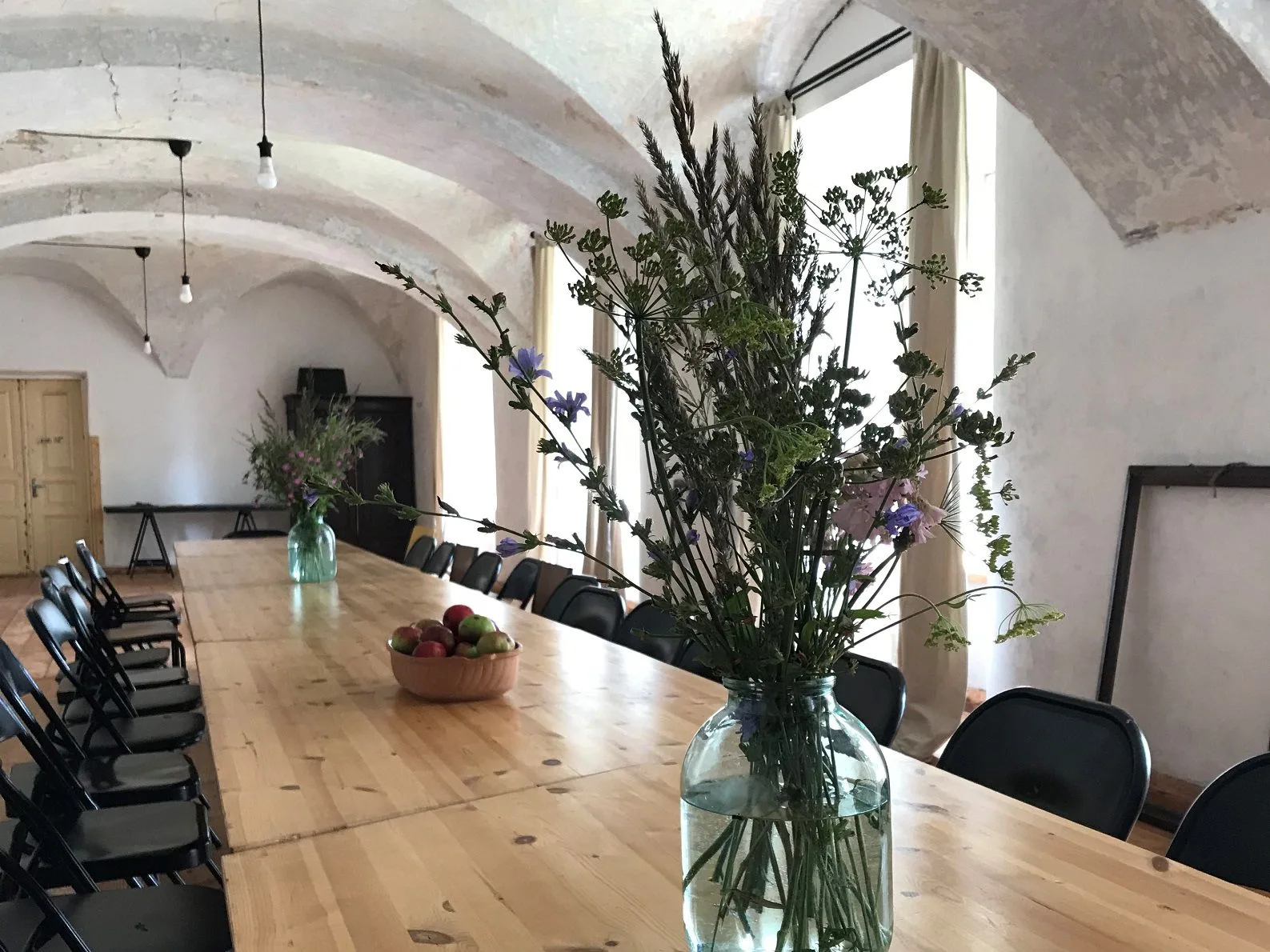
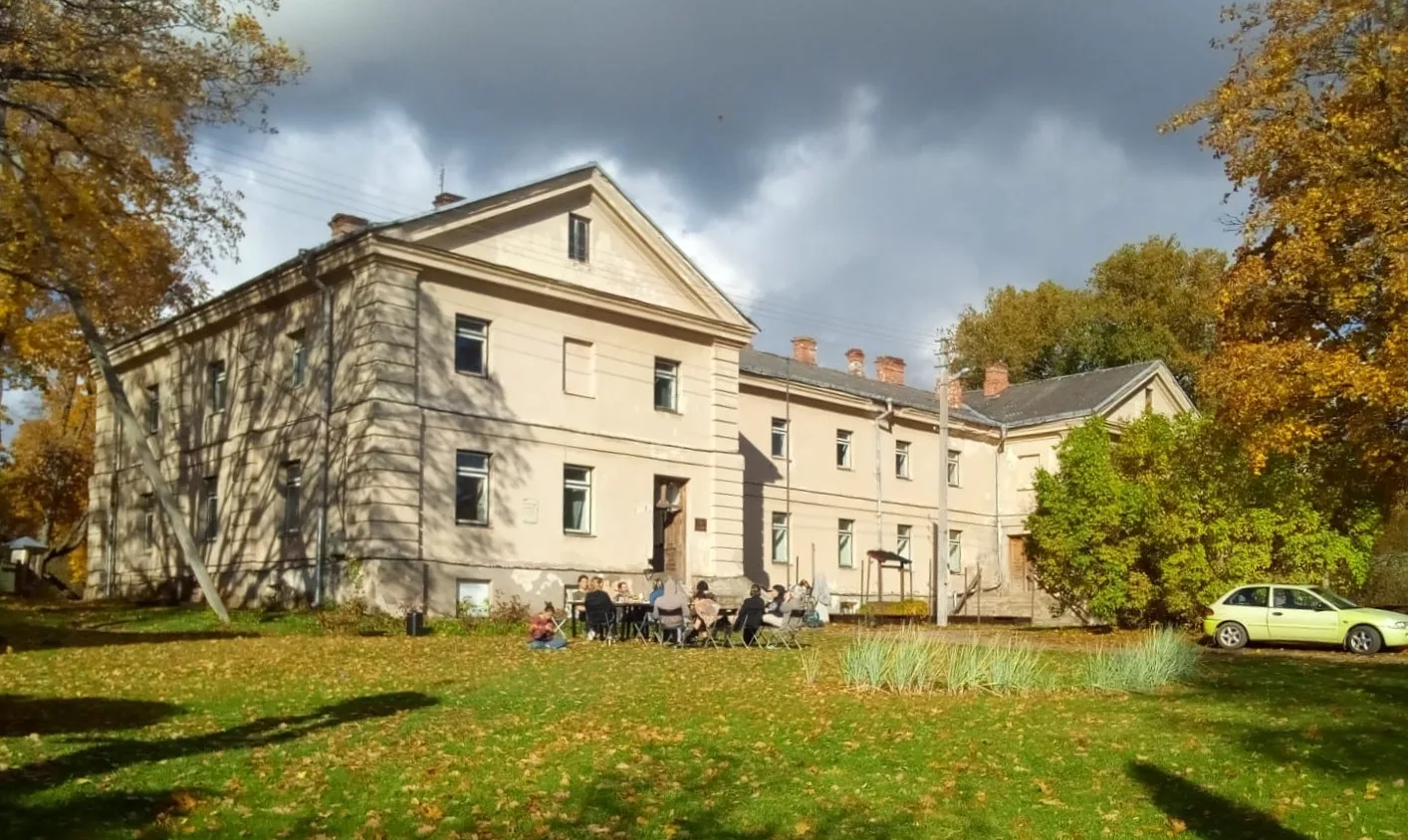
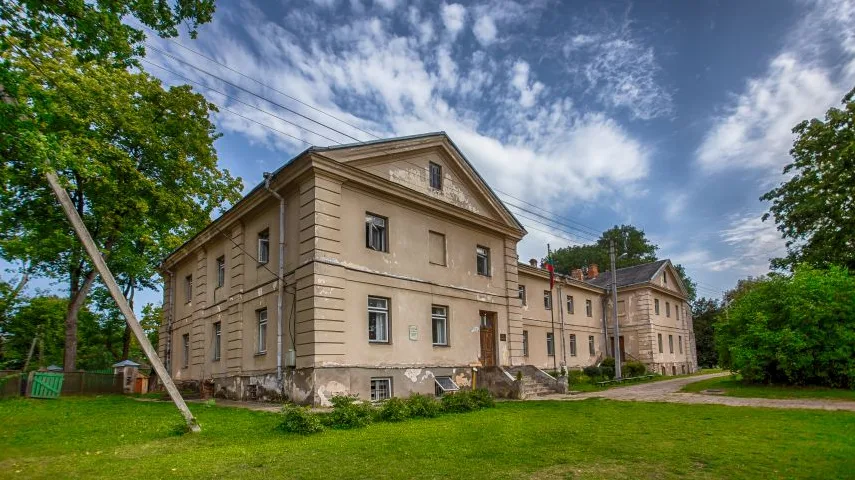
In 1734, Jonas Mykolas Berlič Strutinskis, lord of the Balčiai manor, funded the construction of a Discalced Carmelite monastery in the town of Antalieptė, which belonged to him. The first monastery building was wooden, so after little more than half a century it was already in poor condition. In 1802–1804, Prince Pranciškus Druckis Liubeckis, Marshal of the Pinsk district, who had inherited the Strutinskis family estate, provided funds for a new brick monastery resembling a classicist-style palace. The monastery was only completed around 1830, but after the 1830–1831 uprising the entire monastery grounds were handed over to the Russian Imperial army and converted into barracks, and later into an Orthodox convent. As part of the Russification policy, in 1846–1850 the adjacent Antalieptė Church of the Finding of the Holy Cross was also badly damaged and rebuilt as an Orthodox church; it was returned to the faithful only in 1918, when Lithuania restored its independence. In the interwar period the monastery housed an agricultural school, and in Soviet times an agricultural technical college. In 2015, the public institution “Inovatorių slėnis” (Innovators' Valley) moved into the Antalieptė Discalced Carmelite Monastery. Its main goals are the development of social business and social innovation. Innovators' Valley is open to cooperation – here you can hold your own training sessions, seminars or other events. The team includes many specialists working with social projects and business, so by prior arrangement groups can attend training on human rights, media and information literacy, social business, leadership and apprenticeship, as well as team-building activities. You can come here with a group or on your own to work, create or relax surrounded by nature, and enjoy a delicious meal in the small restaurant inside the monastery. You are very welcome to visit!