Description
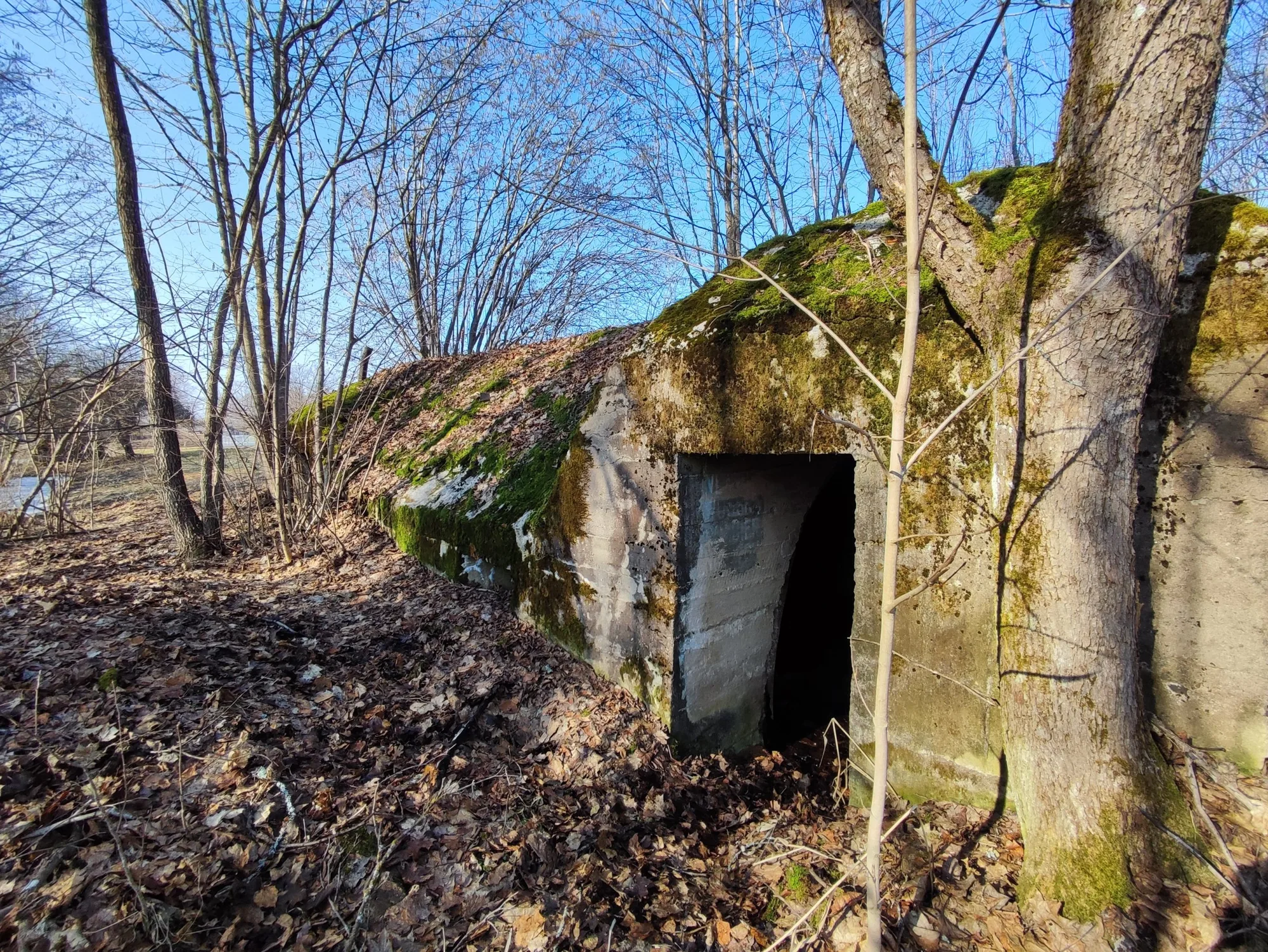
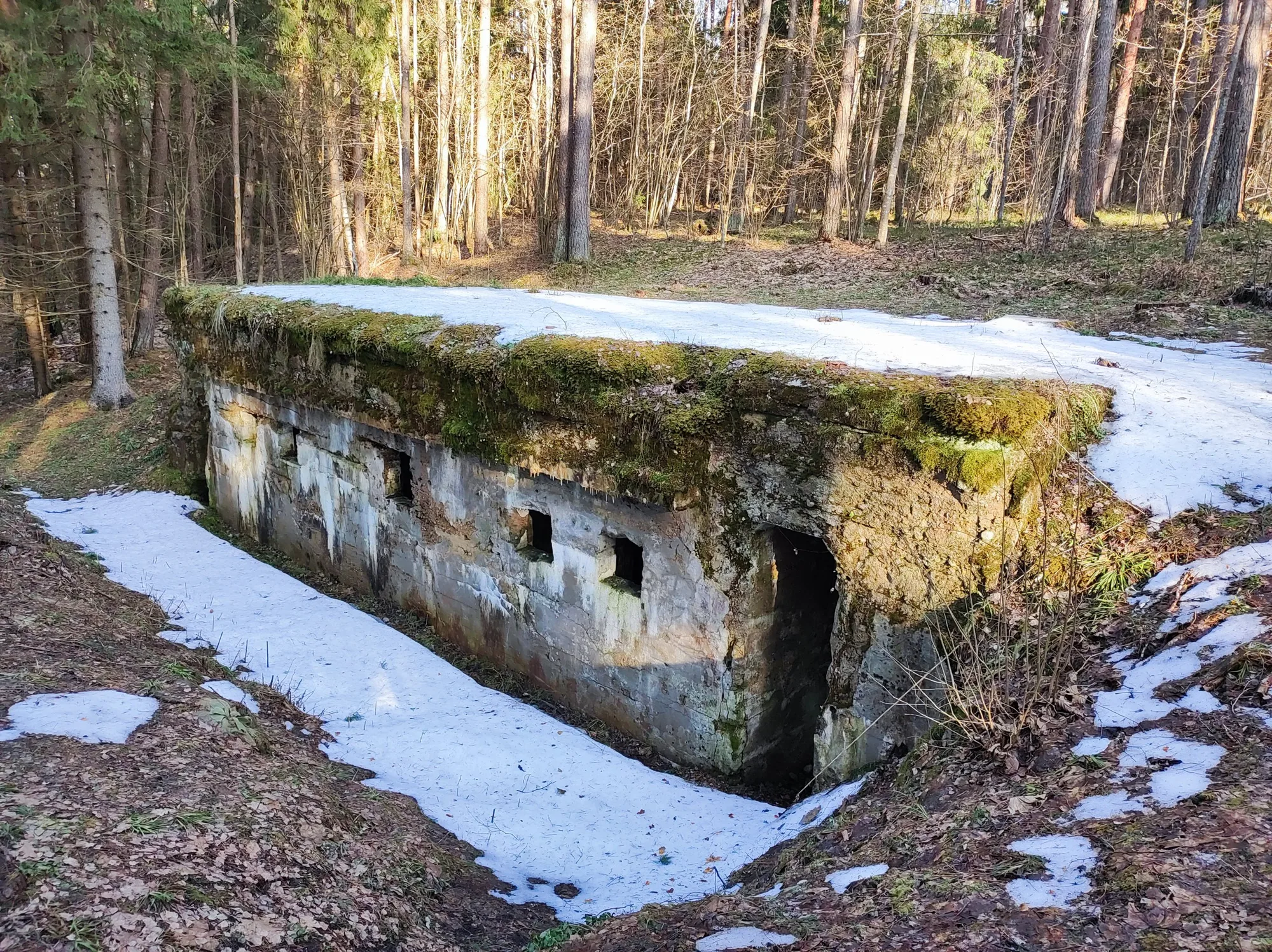
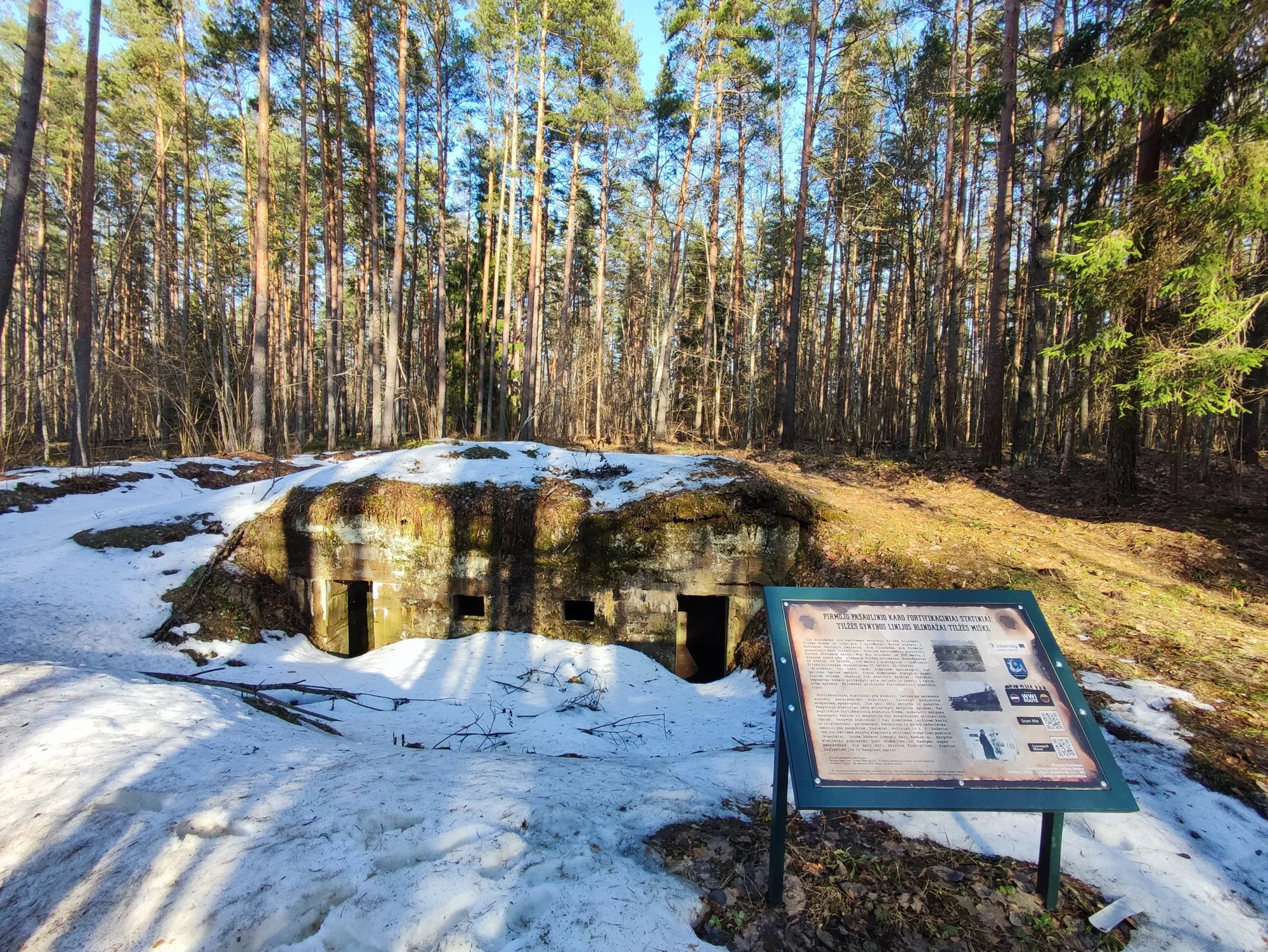
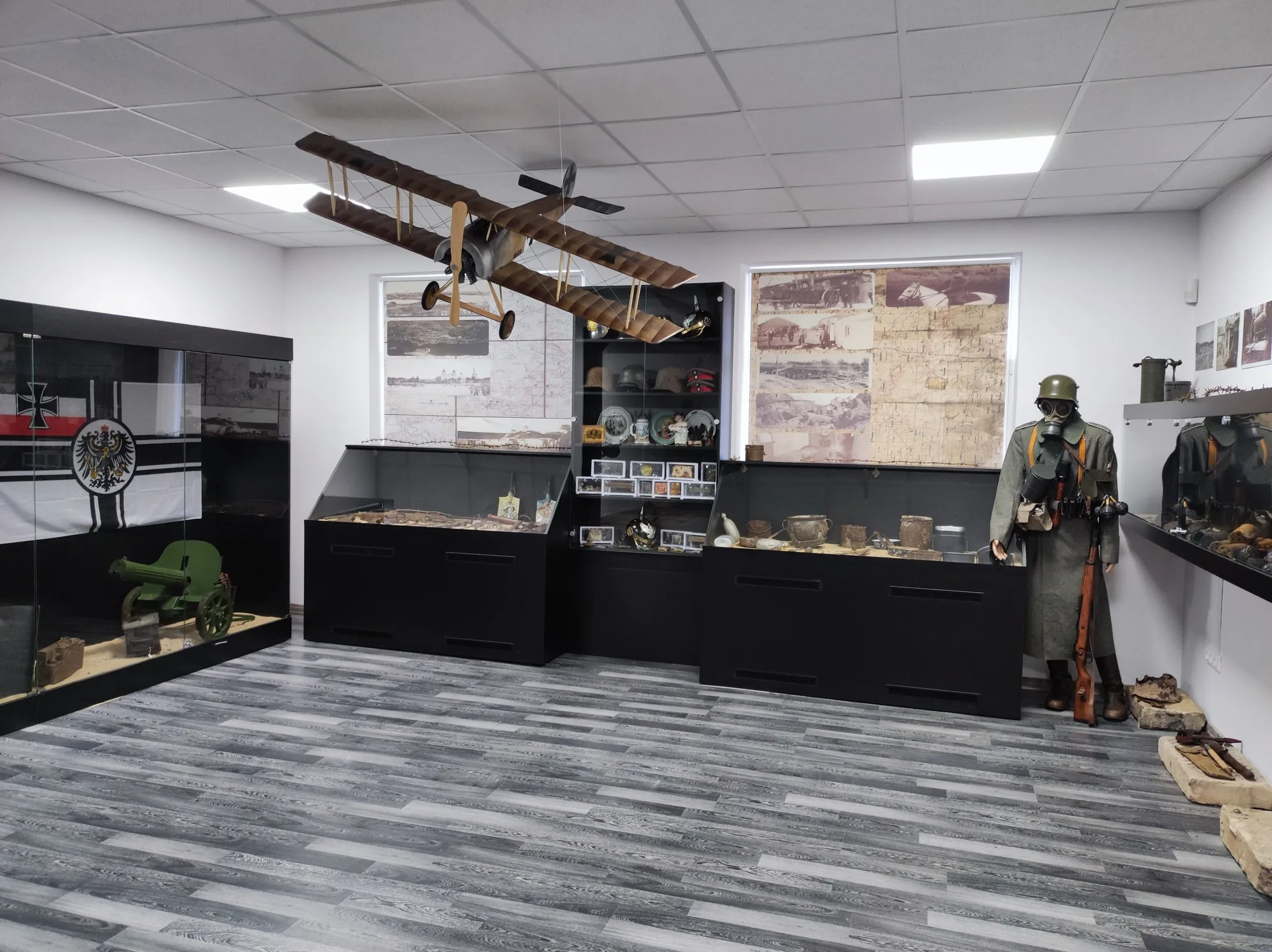
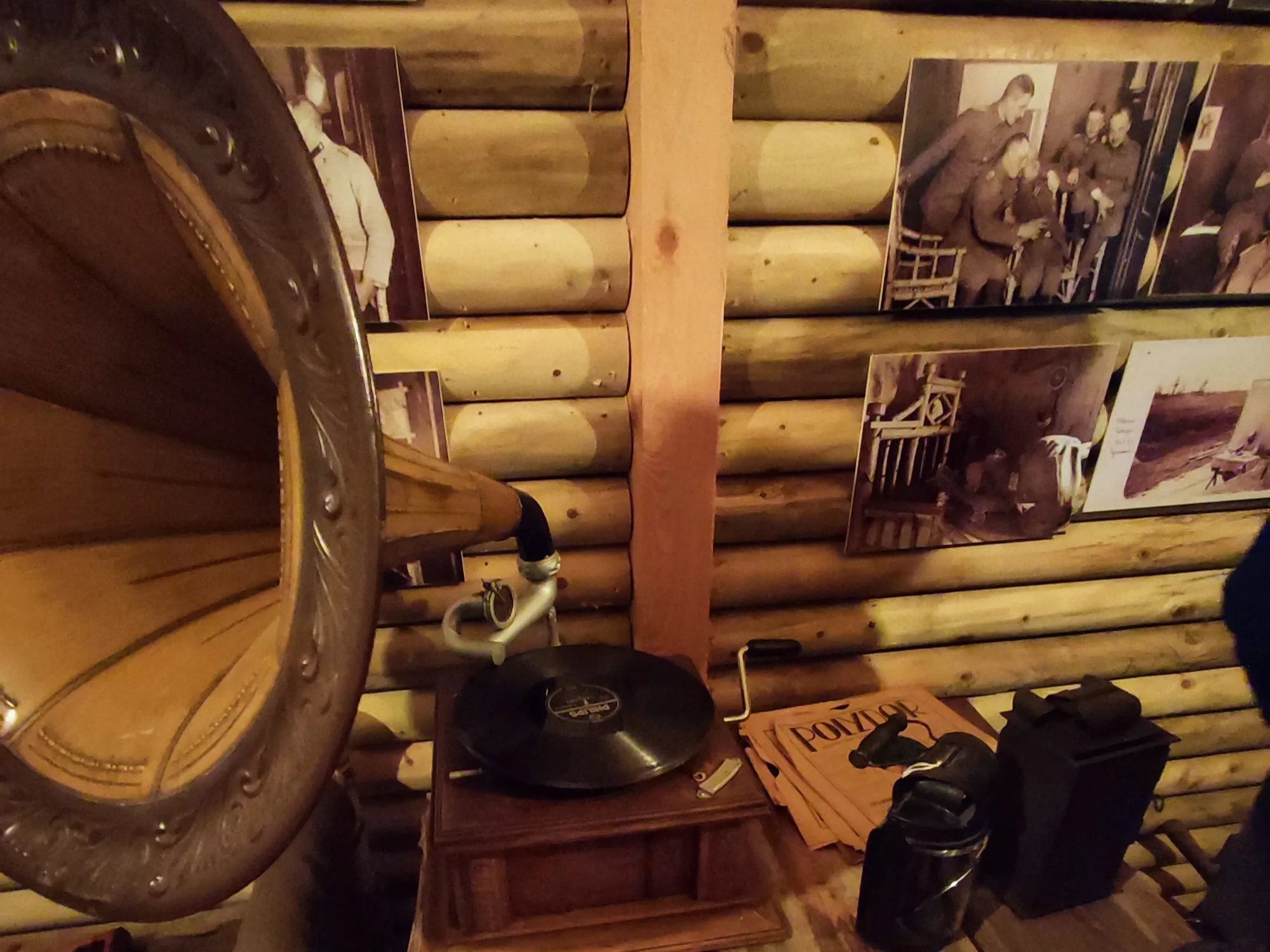
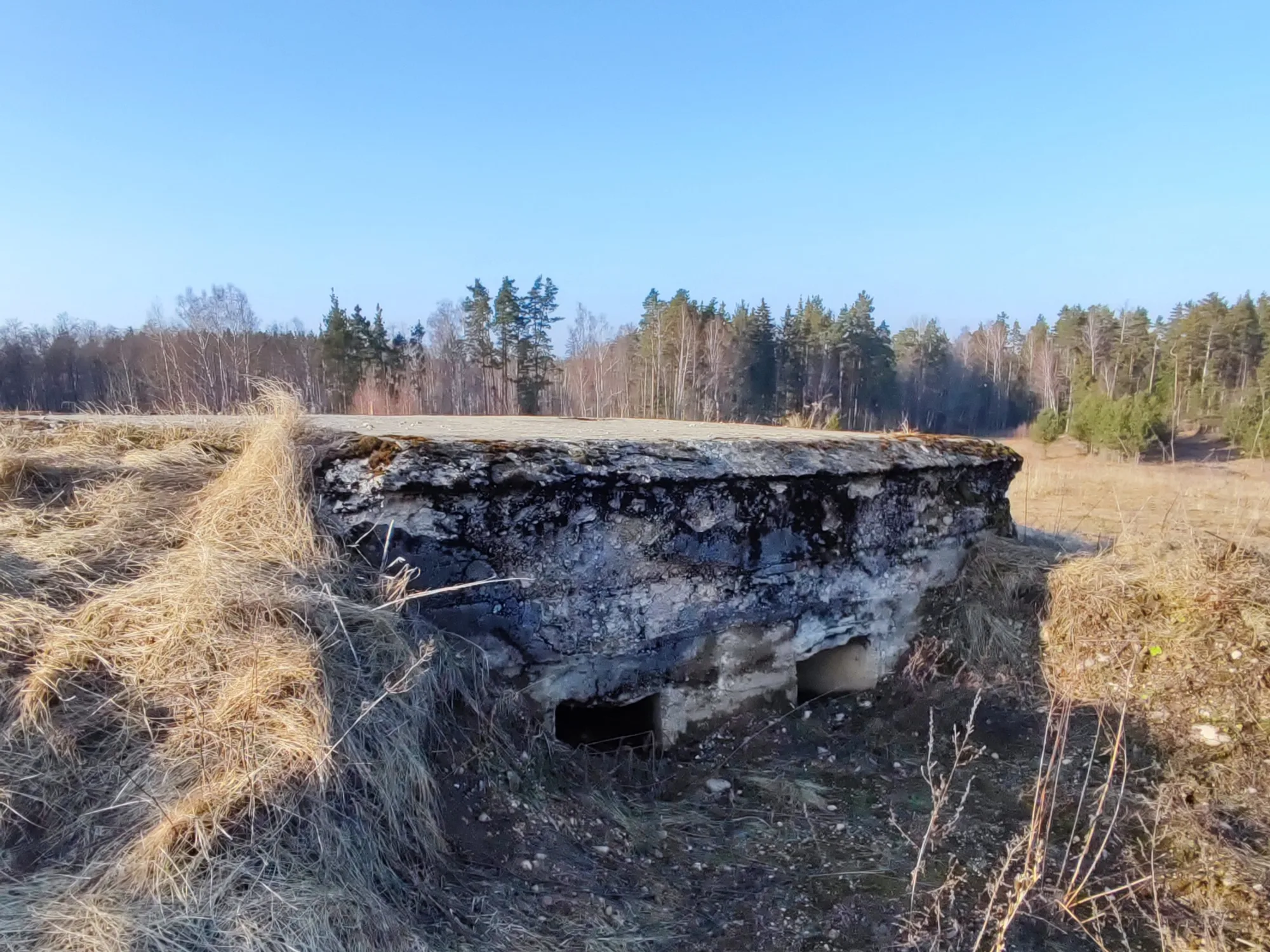
The hostilities of World War I, which broke out in Europe in 1914, reached the territory of present-day Lithuania in the fall of 1915. German military positions in the Zarasai region stretched from Tilsit and Turmantas, through the town of Zarasai, and all the way to Stelmužė. In 1916, once the German Empire’s eastern front line had stabilized, work began to fortify it. Reserve divisions of the German army were stationed along the front, and to support them, entire underground concrete complexes were built here, complete with infrastructure, artillery depots, hospitals, and command posts; narrow-gauge railway lines were laid, and even several power plants were built. To this day, the structures from the front line—or what remains of them—in the Turmantas area are scattered throughout the forests, along roads that were strategically important at the time, and around the Turmantas railway station. In 2022, the Zarasai Tourism and Business Information Center, in collaboration with the Aukšdaugava District Municipality of Latvia, completed the project “World War I Tourism Route and Exhibitions to Attract Visitors to the Border Region” (or “WWI ROUTE” for short, Project No. LLI-501), a sightseeing route stretching across both countries was developed, concrete bunkers were cleaned up and made accessible to visitors, a comprehensive historical study was conducted, and an innovative museum was established. Although some of the World War I heritage sites in the Zarasai region are fairly easy to access, others can be difficult to find and reach, so it’s best to visit in the fall or spring. The Zarasai Tourism and Business Information Center regularly organizes walking and cycling tours along this educational route.